Non Digital Multimeter Explained: A UK Buyer's Guide
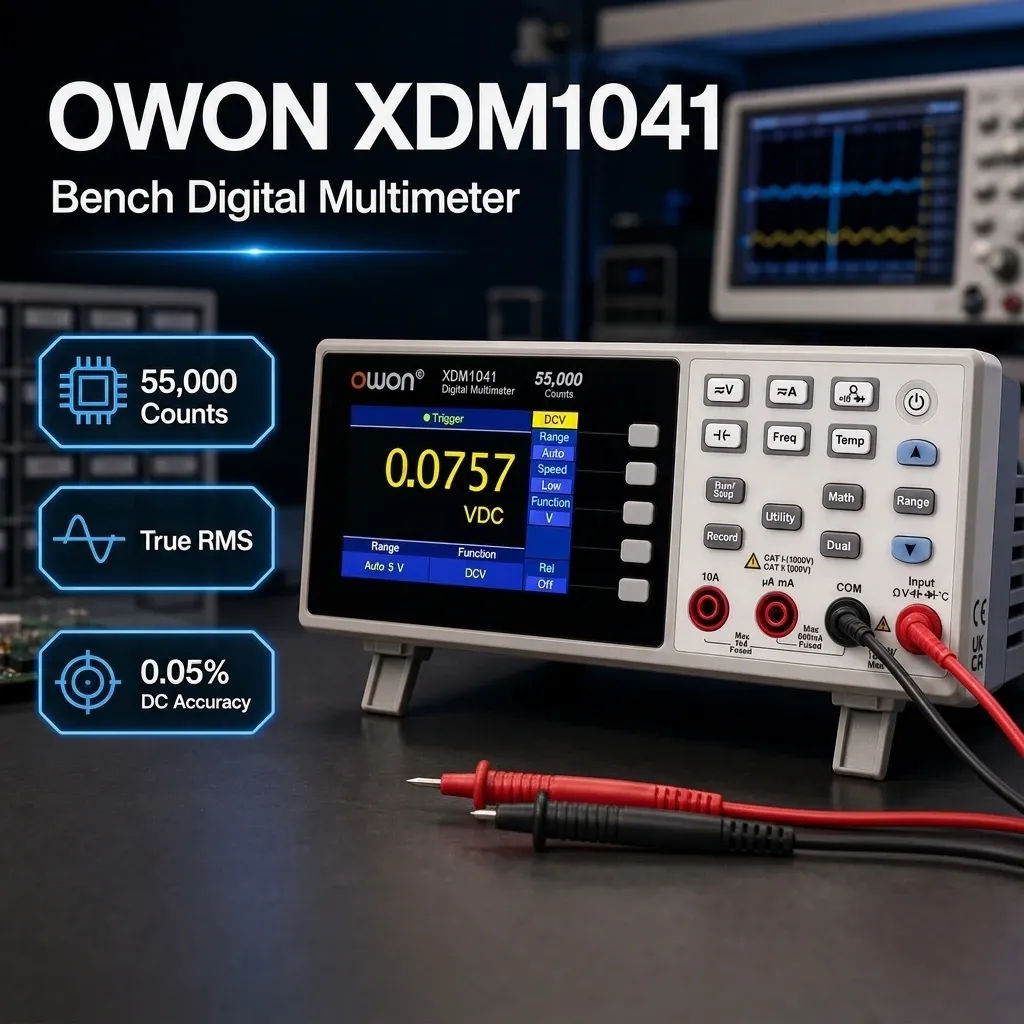
TL;DR: A non digital multimeter is an analogue meter that shows readings with a moving pointer over a scale rather than digits. The needle is still genuinely useful for spotting a trend or nulling an adjustment, but it offers lower resolution and no logging — so for precise, recordable work a digital bench meter is usually the better choice.
A non digital multimeter — an analogue multimeter — measures voltage, current and resistance using a manually selected scale and a moving pointer, rather than automatic digital ranging. It has a loyal following, and for good reasons, but it is worth being honest about where it fits.
How does an analogue (non digital) multimeter work?
Current through a coil deflects a needle across a printed scale; you choose the range by hand and read the pointer's position. There is no analogue-to-digital conversion and no display of exact digits — you interpret the needle against the scale, which takes a little practice but gives an immediate, continuous sense of movement.
Where does a non digital multimeter still fit best?
The moving pointer is still good for two things in particular: spotting a trend (a slowly rising or falling value is obvious as needle movement) and nulling an adjustment (peaking or dipping a control until the needle stops moving). Restorers of vintage radios and linear equipment often keep an analogue meter on the bench for exactly this feel. What it will not do is give you fine, precise digits or keep a record.
Analogue vs digital: what you gain and lose
If you are moving up from a small analogue meter, or from a 3.5-digit handheld with an unstable stand that has you leaning in to read it, a digital bench meter changes the ergonomics as much as the accuracy: a larger, readable display you can see from a normal seated position, far finer resolution, and the option to log. A fair question for mostly-DC vintage work is whether True RMS even matters — for pure DC it does not, but the moment you measure distorted AC it does; our true RMS multimeter guide covers that decision. For the broader choice of meter types, our digital multimeter UK guide compares handheld and bench options.
Quick buying checklist
- Decide whether you genuinely need the needle's feel, or whether you want precise digits and a record.
- Match any meter — analogue or digital — to the circuit's voltage and measurement category.
- Check the display is readable from your normal working position.
- If you need trends captured rather than just watched, plan for a meter that logs.
Staying safe and accurate
Whichever style you choose, display type never compensates for damaged leads, an unsuitable safety rating or an unsafe method. Choose a meter and voltage rating suitable for the installation and the energy level being measured.
When you want a clear digital bench reading: the OWON XDM1041
If the honest answer is that you want clear, precise readings and the option to record rather than only a needle to watch, the OWON XDM1041 from BenchDigit is a natural upgrade. It gives a large, readable dual display, True RMS measurement, 55,000-count resolution and 0.05% basic DC accuracy, plus USB PC data logging and standard SCPI control when you are ready to capture trends rather than just observe them. It is £191.69 inc. VAT (£159.74 ex. VAT) with free UK delivery, a 12-month UK warranty with UK-based support, and 30-day returns, so you can judge the display and readability in your own workshop light and seating before deciding.
Upgrading from a small analogue or 3.5-digit handheld?
View the OWON XDM1041 Bench Multimeter — £191.69Frequently asked questions
What is a non digital multimeter?
A non digital multimeter is an analogue meter that displays readings with a moving pointer over a printed scale, using a manually selected range rather than digital ranging. You interpret the needle's position instead of reading exact digits.
Are analogue multimeters still useful?
Yes, for specific tasks. The moving pointer is good for spotting a trend or nulling an adjustment, which is why some restorers of vintage radios and linear equipment keep one. It is less suited to precise readings or to keeping a record.
Should I replace my analogue meter with a digital bench multimeter?
If you need fine resolution, a clear readable display and the ability to log measurements, a digital bench meter is usually the better choice. If you mainly value the needle's feel for trends and nulling, an analogue meter can still earn its place alongside one.
Do I need True RMS on a non digital multimeter for vintage DC work?
For pure DC measurements True RMS is not relevant. It becomes important only when you measure distorted or non-sinusoidal AC, so for mostly-DC vintage work it is a lower priority than a readable, correctly rated meter.
Ready to try BenchDigit?
Shop Now — £191.69